
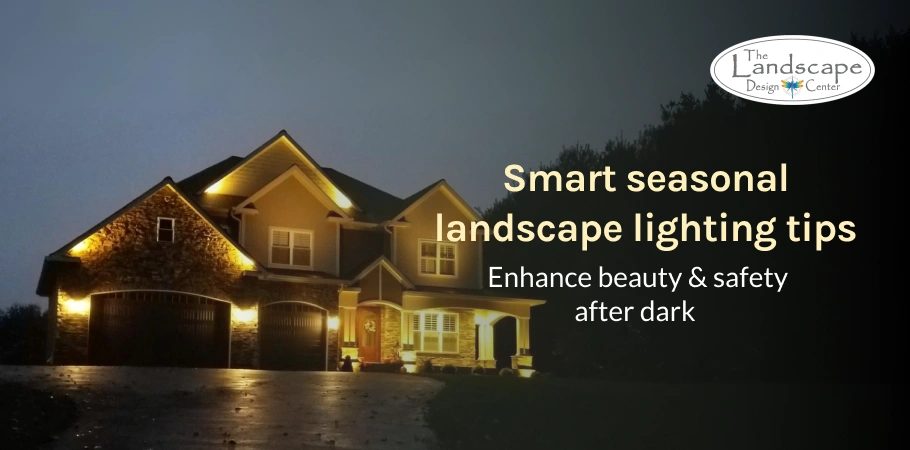
Outdoor spaces change with the calendar. Colors shift. Temperatures drop and rise. The way a yard looks in July feels nothing like it does in November. That is where landscape lighting services come in. The right lighting plan turns an ordinary exterior into a space that feels alive after dark. When done well, seasonal landscape lighting enhances curb appeal, improves safety, and makes a property feel intentionally designed rather than simply decorated.
Property owners often focus on plants, patios, and paint. Lighting tends to be an afterthought. It should not be. Thoughtful lighting shapes how people experience a space at night. It draws attention to textures. It guides movement. It sets a mood that shifts with the season.
This guide offers practical, creative ideas to bring outdoor areas to life year-round. No gimmicks. Just real solutions that work.
Why Seasonal Lighting Matters
Outdoor design is not static. It evolves with the weather, foliage, and how people use the space. Seasonal landscape lighting allows a property to feel fresh and intentional year-round.
Lighting does more than brighten pathways. It influences how large or small a yard feels. It highlights architectural details that are invisible in daylight. It creates safe walking zones in winter when days are shorter.
Homeowners often notice the difference immediately. A warm glow in fall feels inviting. Crisp white light in winter looks clean and elegant. Subtle uplighting in spring highlights new growth.
A well-designed system adapts. Fixtures can be adjusted. Bulbs can be swapped. Angles can change as plants grow or leaves fall. That flexibility keeps the landscape relevant through every season.
Spring Renewal: Fresh, Clean Illumination
Spring brings growth. Buds form. Lawns recover. Color slowly returns. Lighting should support that sense of renewal.
Highlight New Growth
Soft uplights placed near flowering trees create gentle shadows that add depth at night. Focus on texture rather than brightness. The goal is to celebrate new life, not overpower it.
Define Garden Beds
Low, shielded fixtures along planting borders add subtle definition. They make garden lines visible without turning the yard into a stage.
Illuminate Pathways Clearly
Spring often means rain. Clear path lighting prevents slips and adds a polished feel. Even spacing and consistent brightness matter more than dramatic effects.
Seasonal landscape lighting in spring works best when it feels natural. Think soft. Think welcoming. Think balanced.
Summer Evenings: Entertaining with Intention
Summer nights invite people outside. Barbecues run long. Conversations stretch past sunset. Lighting should support activity without glare.
Layer Light Around Seating Areas
Combine overhead string lights with subtle ground lighting. This creates visual interest and keeps faces well-lit without harsh shadows.
Accent Water Features
Ponds and fountains come alive at night. Submersible fixtures or carefully placed spotlights add movement and shimmer.
Showcase Outdoor Kitchens
Task lighting near grills and prep spaces improves usability. Clean white light works best here. It keeps food preparation safe and practical.
Seasonal landscape lighting during summer is about comfort. Bright enough to function. Soft enough to relax.
Fall Warmth: Embrace Rich Tones
Fall transforms landscapes. Leaves turn gold and crimson. Shadows grow longer. Lighting should lean into that richness.
Use Warmer Color Temperatures
Slightly warmer bulbs enhance autumn tones. They amplify reds and oranges instead of washing them out.
Highlight Architectural Details
As trees lose leaves, building features become more visible. Grazing light along stone walls or columns adds drama without being overwhelming.
Illuminate Entry Points
Shorter days mean guests arrive in the dark. Clear entry lighting improves safety and creates a welcoming first impression.
Seasonal landscape lighting in fall feels cozy. It encourages people to linger even as temperatures drop.
Winter Glow: Clarity and Safety First
Winter demands practicality. Snow reflects light. Ice creates hazards. Days are short.
Increase Brightness Strategically
Not everywhere. Just where it matters. Driveways, stairs, and walkways need clear visibility.
Use Clean White Light
Cooler tones reflect beautifully off snow, creating a crisp look. This approach keeps the property looking sharp rather than dull.
Consider Timers and Smart Controls
Long nights require efficiency. Automated systems ensure lights operate only when needed.
Seasonal landscape lighting in winter focuses on visibility. It protects. It guides. It keeps the property accessible.
Design Principles That Work Year Round
Good lighting follows simple rules. Complicated plans often fail because they ignore the basics.
Balance Light and Shadow
Total brightness flattens a space. Strategic shadow adds dimension.
Avoid Overlighting
More fixtures do not equal better results. Placement matters more than quantity.
Choose Durable Materials
Outdoor fixtures must handle moisture, heat, and freezing temperatures. Quality components prevent constant maintenance.
Professional landscaping services often integrate lighting into broader outdoor design plans. This ensures harmony between plants, hardscape, and illumination.
Energy Efficiency and Modern Technology
Technology has improved outdoor lighting dramatically.
LED fixtures use less energy and last longer. Smart systems allow adjustments by season. Brightness can shift. Timers can change with daylight saving time.
Motion sensors increase security while conserving power. Zoning controls allow different areas to operate independently.
Seasonal landscape lighting benefits from this flexibility. Instead of reinstalling fixtures each year, systems adapt with minimal effort.
Safety and Security Considerations
A well-lit exterior discourages unwanted activity. It also prevents accidents.
Driveways should be clearly defined. Steps need consistent lighting. Dark corners create risk.
Outdoor lighting services often evaluate property layouts to identify vulnerable areas. The goal is not harsh floodlights. Strategic illumination removes blind spots.
Seasonal landscape lighting plays a role here. As foliage changes, new shadows appear. Adjustments ensure safety remains consistent.
Working with a Landscaping Contractor
Lighting is technical. It involves wiring, load calculations, and fixture placement. A skilled landscaping contractor understands how to integrate these elements without disrupting the yard’s aesthetic.
Professionals assess soil conditions, drainage patterns, and plant growth. They design systems that accommodate expansion. They anticipate how trees will mature and how shadows will shift over time.
Outdoor lighting services provided by experienced teams often include maintenance plans. This keeps systems functioning efficiently year after year.
When lighting is part of a broader landscaping services strategy, the result feels cohesive. Nothing looks added as an afterthought.
Creative Touches for Special Occasions
Lighting does not need to stay static. Seasonal landscape lighting can adapt to holidays and events without permanent changes.
Temporary accent lights in trees create festive energy. Subtle color shifts for gatherings add personality. Projection lighting can highlight walls without installing new fixtures.
The key is restraint. Too many colors feel chaotic. A single accent hue often creates a stronger impression.
Maintenance Tips for Long-Term Performance
Outdoor lighting faces the elements year-round. Maintenance matters.
Clean fixtures regularly. Dirt reduces brightness.
Check wiring connections after storms.
Trim plants that block light paths.
Replace damaged lenses quickly.
Seasonal landscape lighting works best when systems stay in peak condition. Small adjustments prevent bigger problems.
Planning for the Future
Property owners often upgrade patios or plant new trees years after installation. Lighting systems should allow expansion.
Conduit pathways should include capacity for additional fixtures. Transformers should handle future loads. Control systems should be adaptable.
Landscape lighting services that plan with growth in mind save time and money later. Flexibility prevents costly redesigns.
Final Thoughts: A Landscape That Shines All Year
Outdoor spaces deserve attention after sunset. Thoughtful lighting transforms them from background scenery into functional, beautiful environments.
Seasonal landscape lighting creates rhythm. Spring feels fresh. Summer feels vibrant. Fall feels warm. Winter feels crisp and safe.
The difference is not about excess. It is about intention. It is about understanding how light interacts with plants, architecture, and people.
When designed with care, lighting becomes invisible in the best way. Guests notice how good the space feels. They may not identify why. They simply know they want to stay a little longer.
That is the power of a well-planned outdoor lighting strategy.
Enhance Your Outdoor Living with The Landscape Design Center

The Landscape Design Center brings decades of experience to every project we undertake. As a trusted landscaping contractor serving Bowie, Odenton, Annapolis, Severna Park, Pasadena, and surrounding areas, we provide professional landscape lighting services designed to elevate the beauty and functionality of your outdoor space. Our team carefully plans each system to highlight architectural details, improve visibility, and create inviting nighttime environments.
We combine thoughtful design with precise installation to ensure long-term performance. Whether illuminating pathways, accenting landscape features, or enhancing backyard gathering areas, every lighting layout is tailored to complement your property and lifestyle. Quality materials and expert craftsmanship define our approach.
Contact us today to discover how our landscape lighting services can transform your property after dark.
Frequently Asked Questions
1. How much does professional outdoor lighting typically cost?
The cost depends on property size, fixture type, wiring complexity, and design goals. Most homeowners invest based on the number of fixtures installed and the quality of materials used. A custom lighting plan designed by a landscaping contractor ensures the system fits both the property and the budget while delivering long-term value.
2. What are the benefits of hiring professional landscape lighting services instead of doing it myself?
Professional landscape lighting services provide proper voltage planning, safe installation, and strategic fixture placement. This prevents uneven lighting, electrical issues, and wasted energy. Experts also design lighting that enhances curb appeal and improves security without over-illuminating the property.
3. How long do LED outdoor lighting systems last?
High-quality LED fixtures typically last 15 to 20 years, depending on usage and environmental conditions. They use significantly less energy than traditional bulbs and require minimal maintenance, making them a reliable long-term investment.
4. Can outdoor lighting improve home security?
Yes. Well-placed lighting around entry points, driveways, and darker corners reduces hiding spots and increases visibility. A professional landscaping contractor can evaluate vulnerable areas and design a layout that enhances safety without creating glare.
5. Is it possible to adjust lighting seasonally without reinstalling everything?
Modern systems allow adjustments through timers, smart controls, and interchangeable bulbs. Seasonal changes in brightness or color temperature can be made without major modifications, keeping the property well-lit year-round.