
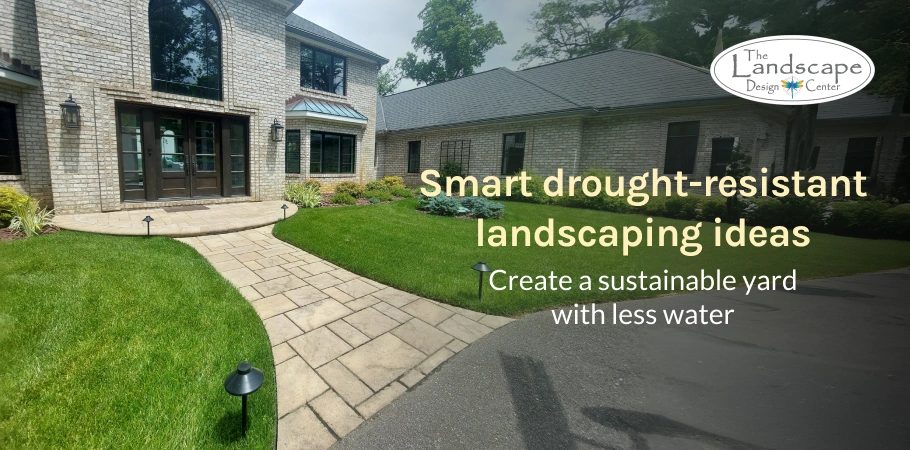
Water has quietly become one of the most precious resources for homeowners. Long, dry seasons, rising temperatures, and increasing water restrictions have forced many property owners to rethink how they design their outdoor spaces. Lawns that once looked lush now demand constant irrigation. The result is higher water bills and landscapes that struggle to survive.
Many property owners now turn to landscaping services to redesign yards that can thrive with minimal water. A well-planned yard does not need constant sprinklers or daily watering to look appealing. With the right strategy, outdoor spaces can remain vibrant while using far less water.
That is where drought-resistant landscaping ideas come into play. Thoughtful plant choices, smart layout planning, and water-efficient materials can transform any yard into a sustainable landscape. These solutions reduce maintenance, protect natural resources, and still create an inviting outdoor environment.
This guide explores practical ways to design a yard that works with nature rather than against it.
Why Drought-Resistant Landscaping Matters
Water shortages are no longer limited to desert regions. Cities across the United States are experiencing periodic drought conditions. In many places, irrigation restrictions are becoming common.
Traditional landscaping depends heavily on water-hungry grass lawns. These lawns require frequent watering, fertilization, and mowing. Over time, they become costly and difficult to maintain.
Modern drought-resistant landscaping ideas focus on working with local climate conditions. Instead of forcing plants to survive in dry soil, the design supports plants that naturally thrive with limited moisture.
A drought-conscious yard offers several advantages.
- Reduced water consumption
- Lower maintenance requirements
- Healthier soil and plant systems
- Long-term savings on irrigation
The shift is not just about saving water. It is also about creating landscapes that remain resilient in the face of extreme weather.
Start with Smart Landscape Planning
Successful landscapes rarely happen by accident. Careful planning lays the groundwork for long-term sustainability.
Before selecting plants or materials, the site must be evaluated. Soil type, sunlight exposure, and natural drainage patterns all influence how well plants will grow. A skilled landscaping contractor typically studies these elements first.
This stage is where many effective drought-resistant garden ideas begin to take shape.
Understand Soil Conditions
Soil quality determines how well water is absorbed and retained. Sandy soil drains quickly, while clay soil may trap moisture and restrict root growth.
Adding organic matter to soil helps regulate moisture levels. Compost, shredded bark, and natural soil conditioners allow the soil to hold water longer while still draining properly.
Group Plants with Similar Needs
Plants with similar water requirements should be placed together. This method is often called hydrozoning.
When plants share similar watering needs, irrigation becomes far more efficient. Areas with drought-tolerant plants receive minimal watering, while thirstier plants are limited to smaller zones.
Use Natural Slopes Wisely
Water naturally flows downhill. Proper landscape design takes advantage of this simple fact.
Gentle slopes can direct rainwater toward planting beds. Low areas may become natural collection points where moisture-loving plants can thrive without additional watering.
Choose Plants That Thrive in Dry Conditions
Plant selection plays a major role in creating water-efficient yards. Many homeowners assume drought-tolerant plants mean dull landscapes filled with rocks and cactus. The reality is very different.
A wide range of colorful plants thrive in dry conditions and add texture, movement, and seasonal interest.
These plants are the foundation of many drought-resistant yard ideas.
Native Plants
Native plants are naturally adapted to regional climates. They often require less water because they have evolved alongside local rainfall patterns.
Examples include:
- Purple coneflower
- California poppy
- Black-eyed Susan
- Yarrow
Native plants also support local pollinators and wildlife.
Ornamental Grasses
Ornamental grasses are incredibly resilient. They tolerate heat, wind, and dry soil while adding movement to the landscape.
Popular options include:
- Blue fescue
- Fountain grass
- Switchgrass
Their flowing shapes soften the appearance of drought-tolerant gardens.
Succulents and Desert Plants
Succulents store water in their leaves and stems. This makes them perfect for dry climates.
Agave, sedum, and aloe varieties provide striking shapes that can become focal points in garden beds.
Reduce Lawn Areas
Traditional lawns are among the biggest water consumers in residential landscapes. Replacing large lawn sections with planting beds can drastically reduce irrigation needs.
Thoughtful drought-resistant landscape design ideas often focus on reducing lawn size rather than eliminating greenery entirely.
Several alternatives work well in dry environments.
Ground Covers
Low-growing ground covers replace grass while requiring much less water.
Examples include:
- Creeping thyme
- Dwarf mondo grass
- Ice plant
These plants spread naturally, creating a soft carpet effect across the soil.
Gravel or Decorative Stone
Gravel pathways and decorative stones reduce evaporation and limit weed growth. They also add visual contrast within garden beds.
Stone surfaces reflect sunlight and keep soil temperatures more stable.
Outdoor Living Areas
Replacing lawn space with patios, seating areas, or fire pits adds functionality to the yard while lowering water use.
These areas also create gathering spaces that encourage people to spend more time outdoors.
Use Mulch to Lock in Moisture
Mulch is one of the simplest yet most effective tools for conserving soil moisture.
A layer of mulch acts as insulation. It slows evaporation and protects plant roots from extreme temperatures. It also reduces weed growth, which prevents unwanted plants from competing for water.
Many drought-resistant landscaping tips emphasize mulch because of its long-term benefits.
Organic mulch options include:
- Shredded bark
- Wood chips
- Pine needles
These materials gradually break down and improve soil quality over time.
A two to three-inch layer is usually enough to protect plant roots while allowing water to penetrate the soil.
Install Efficient Irrigation Systems
Even drought-tolerant plants need occasional watering. The key is delivering water efficiently.
Traditional sprinklers often waste water through evaporation and overspray. Modern irrigation systems are designed to minimize these losses.
Drip irrigation is widely considered one of the most effective drought-resistant landscaping solutions available today.
Drip Irrigation Systems
Drip irrigation delivers water slowly to the root zone. Instead of spraying water across the entire yard, small emitters release moisture directly into the soil.
This targeted approach reduces evaporation and keeps foliage dry, which helps prevent plant diseases.
Smart Irrigation Controllers
Smart controllers adjust watering schedules based on weather conditions. When rainfall occurs, the system automatically reduces irrigation.
Over time, this technology can save thousands of gallons of water each year.
Incorporate Hardscape Elements
Hardscape features play an important role in water-conscious landscapes. Patios, pathways, and retaining walls reduce the need for irrigated planting areas.
Professional hardscaping services often integrate these elements to create a balance between greenery and structural design.
Stone pathways guide visitors through the yard while reducing soil erosion. Retaining walls help control slopes and prevent water runoff.
Permeable paving is another valuable option. These materials allow rainwater to pass through small gaps and recharge the soil below.
Hardscaping also adds durability to outdoor spaces. Unlike plants, stone features require little maintenance and no watering.
Capture Rainwater When Possible
Even dry climates experience occasional rainfall. Capturing and storing this water helps reduce reliance on municipal irrigation systems.
Rain barrels are a simple starting point. They collect runoff from roof gutters and store it for later use in garden beds.
Larger properties may install underground cistern systems that store significant amounts of rainwater.
Using collected rainwater supports sustainable landscaping practices and helps keep plants hydrated during dry periods.
Maintain the Landscape Strategically
Even drought-tolerant landscapes require thoughtful maintenance. Regular care keeps plants healthy and ensures the yard remains visually appealing.
A few simple habits make a significant difference.
Pruning encourages healthy growth and prevents overcrowding. Removing dead branches also improves airflow and reduces stress on plants.
Seasonal inspections of irrigation systems help identify leaks or inefficiencies.
Soil testing every few years ensures that nutrients remain balanced and support strong root development.
Consistent attention keeps sustainable landscapes functioning exactly as intended.
Conclusion
Water-smart landscaping is quickly becoming the new standard for residential design. Changing climate patterns and rising water costs have encouraged homeowners to rethink traditional lawns and irrigation-heavy gardens.
Thoughtful planning, careful plant selection, and efficient irrigation systems make it possible to build beautiful outdoor spaces with far less water. Sustainable landscapes also tend to require less maintenance and remain resilient during extended dry seasons.
When properly designed, drought-resistant landscaping ideas offer more than just water conservation. They create outdoor spaces that feel natural, balanced, and built for the environments they inhabit.
The result is a yard that stays attractive year-round while supporting responsible water use for the future.
Transform Your Outdoor Space with The Landscape Design Center

Creating a beautiful yard requires thoughtful planning and expert execution. At The Landscape Design Center, we bring decades of experience as a trusted landscaping contractor, helping homeowners turn ordinary outdoor spaces into functional and visually striking landscapes. Our team focuses on designs that blend natural beauty with long-lasting performance, ensuring every project reflects the property’s character and the homeowner’s vision.
From custom gardens to patios and walkways, our hardscaping services and landscape solutions are designed to enhance both curb appeal and usability. We proudly serve Bowie, Odenton, Annapolis, Severna Park, Pasadena, and surrounding areas, delivering tailored outdoor environments that are built to last.
Ready to upgrade your outdoor space? Contact us today to schedule your consultation.
Frequently Asked Questions
1. What plants work best for drought-resistant landscaping in the United States?
Many homeowners across the U.S. choose native and drought-tolerant plants because they naturally adapt to regional weather patterns. Popular options include lavender, ornamental grasses, sedum, black-eyed Susan, and yarrow. These plants require less irrigation and tend to survive longer during dry seasons. Local nurseries can also recommend native species that perform well in specific states or climate zones.
2. How much water can drought-resistant landscaping actually save?
A well-designed drought-friendly yard can reduce outdoor water use by up to 50 percent compared to traditional lawns. Techniques such as mulch layering, efficient irrigation systems, and strategic plant grouping are common drought resistant landscaping tips that help homeowners cut water usage while keeping the landscape healthy.
3. Do drought-resistant yards look less attractive than traditional lawns?
Not at all. Modern drought-friendly landscapes often include colorful native plants, decorative gravel, stone pathways, and ornamental grasses. With thoughtful planning, these yards can look just as vibrant and welcoming as traditional gardens while requiring far less maintenance.
4. Is drip irrigation better than sprinkler systems for dry climates?
Yes. Drip irrigation delivers water directly to plant roots instead of spraying large areas. This method minimizes evaporation and prevents water waste. Many homeowners consider it one of the most practical drought resistant landscaping solutions for maintaining plants during hot and dry weather.
5. Can drought-resistant landscaping increase property value?
Yes. Sustainable outdoor spaces are becoming more appealing to buyers across the United States. Landscapes that require less water and maintenance can lower homeowners’ long-term costs, making properties more attractive in competitive real estate markets.
6. Is drought-resistant landscaping suitable for small yards?
Absolutely. Smaller spaces often benefit most from drought-friendly designs, as they allow for creative layouts with ground covers, gravel beds, raised planters, and compact native plants. Even small yards can be transformed into sustainable landscapes with the right planning.